
Comparison
Car Sunshade vs Window Tint
This is usually framed as a choice, and it mostly is not one. Tint and a sunshade cover different glass, work on different timescales, and answer to different rules. Here is what each actually does in the UAE, and where the two overlap.
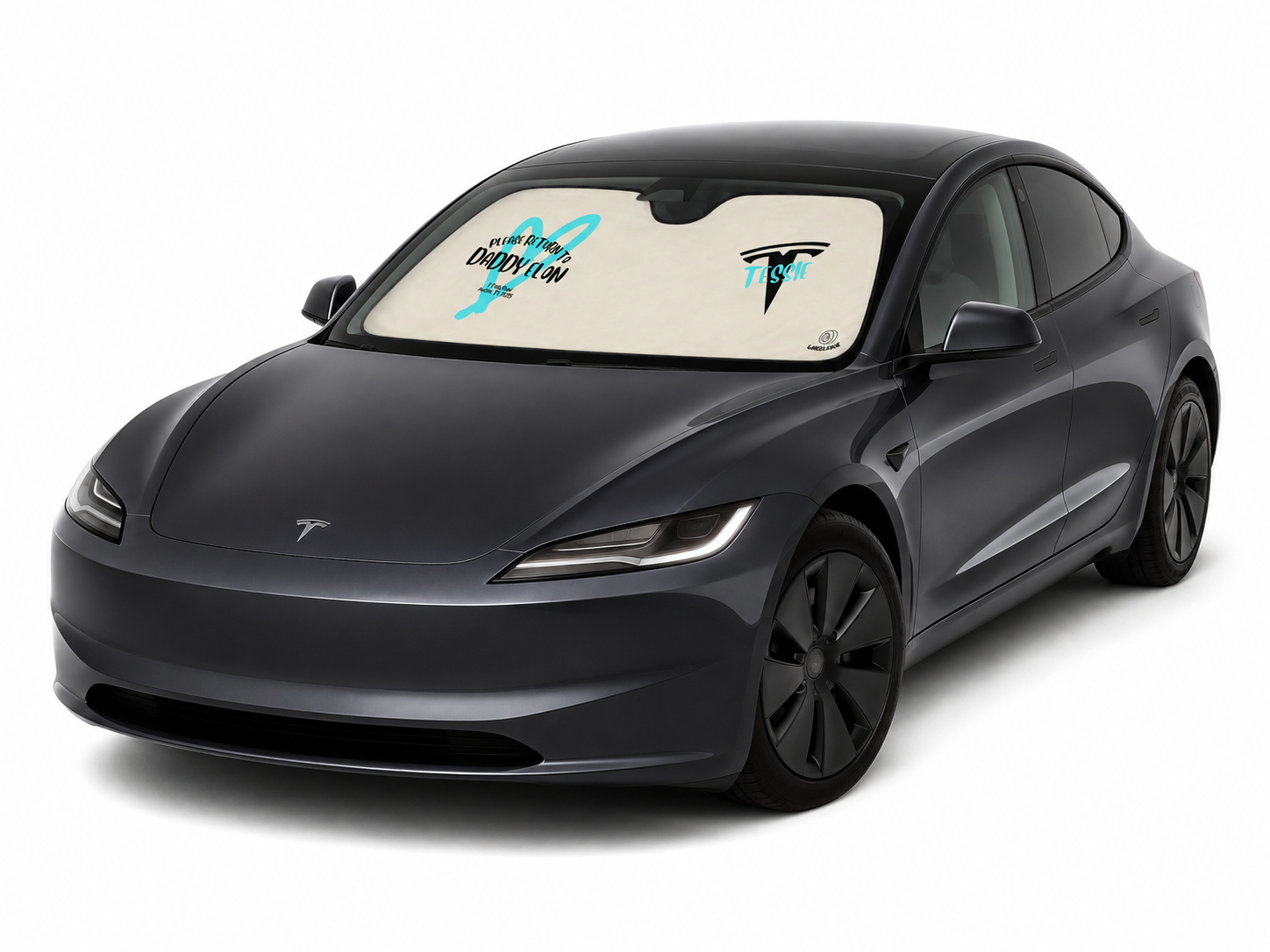
They solve overlapping but different problems
Window tint is a film applied to the glass. It is permanent in any practical sense — fitting and removal are both jobs for someone with the right tools — and it works continuously, whether the car is parked or moving. Its natural territory is the side and rear glass, and it is regulated: there are rules about how dark it may be, and the front windshield is treated differently from the side windows.
A sunshade is a removable panel you put behind the windshield when you park and take out when you drive. It covers the windshield specifically, it is not a modification to the vehicle, and it is not regulated in the way film is. It also does nothing at all while you are driving, because it is not in the car then.
So the overlap is real — both reduce how much direct sunlight reaches your interior — but they are aimed at different surfaces at different moments.
The regulatory bit, kept general
Current UAE rules limit how dark window tint may be on a private vehicle, and treat the front windshield more restrictively than the side glass. There are also situations where the permitted level differs from the general case. We are deliberately not quoting percentages, categories or penalties here: the figures are specific, they have been revised before, and a page like this is the wrong place to have the last word on them.
Confirm the current regulations with the RTA or the relevant authority in your emirate, or with a reputable installer who has to keep up with them for a living, before you have any film fitted.
The structural point survives whatever the exact numbers are, though, and it is the whole reason this comparison exists: the windshield is the one large piece of glass you are least free to darken permanently. It is also the piece of glass that faces the sky most directly. That gap is exactly the space a removable shade occupies. You cannot make the windshield permanently dark, so you cover it temporarily instead — when the car is parked and forward visibility does not matter.
Practical comparison
What each covers
Tint: side windows, rear glass, and in a limited way the windshield depending on what is permitted. Shade: the windshield, edge to edge, and nothing else. Neither addresses a glass roof — that is a third product entirely, as our Tesla sunshade page explains for cars where the roof is a large sheet of glass.
Cost
Tint is a one-off installed cost, priced by the vehicle, the glass area and the quality of the film, and a good installation is not cheap. A sunshade is a single accessory bought once. We are pre-launch so we are not publishing a price, but the categories are not comparable in scale: film is a service, a shade is an object.
Reversibility
This is the sharpest difference. A shade is out of the car in three seconds and leaves no trace; you can change the design on a whim, or take it with you when you change car if the windshield suits. Tint is a commitment to that specific glass, and undoing it means professional removal.
Surface heat versus cabin air
Worth separating these, because most confusion lives here. A shade is a physical blocker: it stops direct sunlight landing on the dashboard, wheel and front seats, so those covered surfaces are the clearest beneficiaries. Tint reduces how much solar energy passes through the glass it is on, continuously, across a larger total area, which is why it is relevant while driving and to the cabin as a whole.
Neither one refrigerates a parked car. Air heats up, body panels absorb sun, and a closed vehicle in the sun becomes dangerous regardless of glazing or shading. Never leave children or pets in a parked car. Our guide to whether sunshades work in UAE heat sets out what shading realistically changes and what it does not.
Driving versus parked
Tint works whenever the glass is in the car, which is always. A shade works only while parked, which is when a windshield collects the most sun anyway — and it must come out before you drive, because nothing should obstruct the driver’s view.
The honest conclusion
They are complements, not alternatives. Tint for the side and rear glass, within whatever the current rules allow. A shade for the windshield, because that is the surface you are least able to treat permanently and the one pointed most directly at the sky. Choosing between them is a bit like choosing between curtains and a front door.
If you already have tint and your car still bakes, the windshield is almost certainly the reason, and it is the cheapest thing left to fix. Start with our car sunshade size guide so the panel actually fits, read car sunshades for the UAE for what separates a good shade from a bad one, and if you would rather it were not silver, printed and novelty designs is the relevant page.
WHEELERIE is pre-launch — no price, no cart, no shipping estimate yet. Join the waitlist on the homepage and launch details reach you first.